
Everything you need to know about the RBA cash rate
In this article, you’ll explore what the RBA cash rate is, how it impacts your family, and what it means for your hip pocket.
What is the RBA cash rate
The official cash rate is the interest rate set by the Reserve Bank of Australia (RBA) for overnight loans between banks. This interest is then often passed down to you - the consumer.
What the cash rate means for you and me
Interest hikes can mean that your loans become more expensive. For example, your monthly repayments on your mortgage may cost more.
Where to find support
At Converge, we offer financial coaching support, where you can learn about budgeting and heathier money habits from our team of experts.
(Please note: the below does not represent financial advice or recommendations)
The RBA cash rate continues to shape the financial landscape for millions of Australians. It influences everything from mortgage interest rates to savings returns and credit card repayments. After two interest rate cuts in early 2025, many were hopeful the downward trend would continue. But in July 2025, the Reserve Bank of Australia (RBA) hit the brakes, holding steady.
Now, that picture and feeling of hope has faded. Why? The RBA opened 2026 with an increase in the cash rate – from 3.60 to 3.85. That’s a significant rise. Inflation isn’t slowing down, and economists are suggesting that more rate hikes are on the horizon. So, what does this decision mean for your household budget, mortgage interest and more?
Let’s break it down—and explore how you can stay financially ready.
UPDATE: RBA increases cash rate in February 2026
In February 2026, the RBA made a decision to increase the Australian cash rate by 25 points. That means the cash rate has moved from 3.60% to 3.85%. This was expected by economists, citing stubborn inflation targets running above the RBA’s goal of 2-3%. With inflation not falling at the pace we all hoped, the RBA’s decision didn’t come as a surprise to many economists. According to AMP, there are assumptions that the cash rate may increase twice more over the course of 2026.
But why isn’t inflation going down? Well, Market Index states:
”Australia’s inflation problem isn’t going away. After two years of easing, the RBA has restarted rate hikes as demand runs into housing shortages, labour constraints, and weak productivity.
Market Index
With spending not slowing and demand on the rise, this has been a difficult battle to fight. The RBA’s attempts to kerb spending by lifting the cash rate, which in turn, helps slow and reduce inflation isn’t working as they originally hoped. Supply is unable to keep up with the demand. As a result, this contributes to our inflation rate, with Market Index stating: “Demand can come from households spending more, businesses investing more, governments spending more, or credit becoming easier.”
What is to come is unclear, but for the foreseable future, cash rate increases may become a staple of life in 2026.
What Is the RBA Cash Rate?
The official cash rate is the interest rate set by the Reserve Bank of Australia (RBA) for overnight loans between banks. While that might sound far removed from everyday life, this rate plays a crucial role in shaping the broader economy. It acts as a benchmark that influences the interest rates banks apply to everything from home loans and credit cards to personal loans and savings accounts.
When the RBA raises the cash rate, it becomes more expensive for banks to borrow money from each other. In turn, banks typically pass on those higher costs to consumers—meaning loan repayments go up. On the flip side, savings accounts tend to earn higher interest, making it more attractive to park your money.
When the RBA cuts the rate, the opposite occurs: borrowing becomes cheaper, which is good news for mortgage holders and anyone with variable-rate loans. However, it also means lower returns for savers, as banks adjust their interest offerings accordingly.
The cash rate is one of the RBA’s primary tools for controlling inflation, stimulating growth, or cooling down an overheating economy. That’s why even small changes to it can have a big impact on your finances, your budget, and the broader cost of living.
What’s Happening in August 2025?
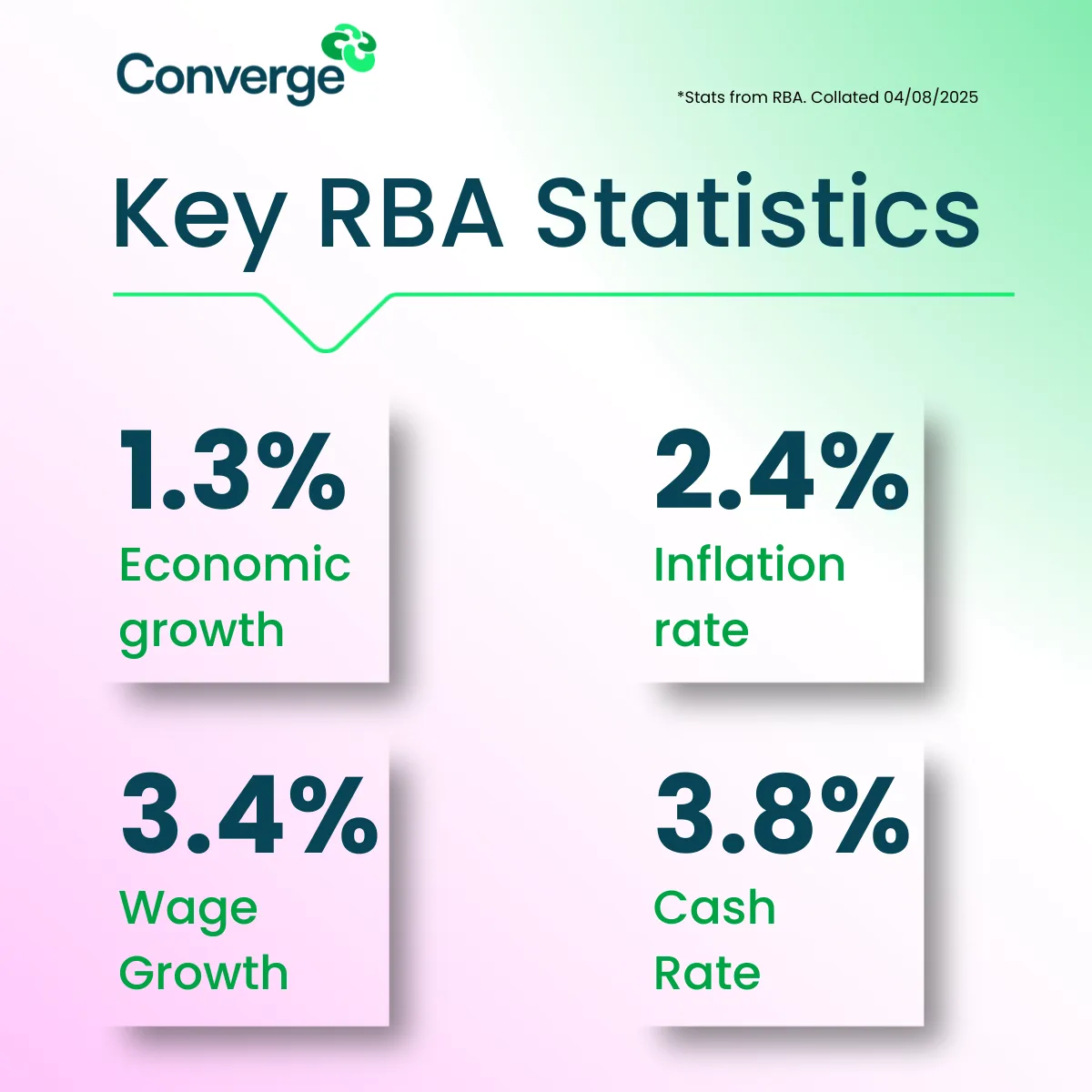
In a move that surprised financial markets, the RBA kept the cash rate at 3.85% in July 2025. Markets had priced in a 92% likelihood of a 25 basis point cut, so the decision to pause sparked debate.
While inflation has slowed—with underlying figures hovering between 2.4% and 2.6%, comfortably within the RBA’s 2–3% target band—the central bank is cautious. They’re holding out for more robust data, especially from quarterly inflation and employment figures, before committing to further rate cuts.
The Australian labour market also showed signs of softening, with unemployment rising unexpectedly to 4.3% in June—the highest it’s been since late 2021. Combined with weak consumer spending and soft full-time job creation, these indicators are piling pressure on the RBA to ease rates. But for now, it’s choosing patience over risk.
Why Has the RBA Paused Interest Rate Cuts?
If you have a variable home loan, this hold means repayments won’t fall just yet. Many banks follow the RBA’s lead, so without a cut, there’s no new relief. That said, economists expect rate cuts to resume later this year—potentially in August or November—depending on inflation and labour market data.
For savers, this delay is good news in the short term. Interest on savings accounts and term deposits will likely remain steady until the RBA makes its next move. But keep in mind: when cuts do arrive, banks will likely reduce savings interest rates too.
If you’re planning your household budget, it’s best to assume some fluctuation ahead. Avoid relying on imminent rate relief and build some flexibility into your repayments and savings goals.
What Does This Mean for Borrowers and Savers?
Forecasts vary among Australia’s major banks:
Westpac expects two more 25-point cuts in 2025
NAB is forecasting three
ANZ, CBA, and other analysts predict a slower and more cautious path into early 2026
Much hinges on key economic indicators. The next monthly CPI data, due late July, will be critical. If inflation dips below 2.6%, an August cut becomes more likely. Rising unemployment or slower wage growth may also push the RBA to act sooner.
Importantly, just because the RBA cuts rates doesn’t mean your bank will automatically pass those savings on. Always keep an eye on your lender’s response to RBA decisions.
Need Help Navigating Interest Rate Changes?
At Converge, we understand the stress that fluctuating interest rates can bring. Whether you’re a homeowner reviewing your mortgage or a saver adjusting to changing returns, our financial coaching service is here to help.
Our experienced coaches can:
Guide you through budgeting and expense tracking
Assess if it’s time to refinance your home loan
Explain how interest rate changes affect your financial goals
We’ll help you prepare for what’s next—so no matter what the RBA decides, you’ll feel ready.
If Converge is your workplace wellbeing provider, Book a free financial coaching session with Converge today and take the guesswork out of planning.

Frequently Asked Questions About the RBA Cash Rate
What is the current RBA cash rate?
As of February 2026, the Reserve Bank of Australia (RBA) cash rate sits at 3.85%, following a 25-basis-point increase from 3.60%.
Why did the RBA increase the cash rate in February 2026?
The RBA lifted the cash rate in response to persistent inflation, which remains above its target range of 2–3%. Strong demand, housing shortages, labour constraints, and weak productivity have slowed the pace of disinflation.
Why isn’t inflation falling as expected in Australia?
Inflation pressures continue because demand is outpacing supply. According to Market Index, ongoing household spending, business investment, government expenditure, and easier access to credit are contributing to sustained price pressures.
How does the cash rate affect mortgage repayments?
When the RBA lowers the cash rate, lenders often pass those cuts onto variable home loan interest rates, meaning borrowers pay less each month. However, banks may not always pass on the full reduction.
Could the cash rate increase again in 2026?
Yes. Some economists, including AMP, suggest the cash rate may rise up to two more times during 2026 if inflation remains stubborn and economic demand does not ease.
How does the cash rate impact my savings account?
When the RBA cuts the cash rate, banks tend to reduce savings account interest rates too. This means your returns on deposits may drop, making it harder to grow your savings with interest alone.
What can I do if my mortgage repayments are too high?
If you’re struggling with repayments, consider reviewing your loan with the help of a financial coach. You may benefit from refinancing, adjusting your budget, or negotiating better terms with your lender.
How can Converge help me during rate changes?
Converge provides one-on-one financial coaching to help Australians navigate changing interest rates, manage debt, and improve their financial wellbeing. Whether you’re a borrower or saver, we can help you make confident decisions.