

Written by Lila Juwayed, Converge Partner and 360me Nutrition Dietitian
When you imagined adult life as a kid, chances are, counting grams of dietary protein wasn’t high on the list of responsibilities. And yet here we are—standing in supermarket aisles, flipping yoghurt tubs, comparing labels, and wondering whether we’re eating enough protein nutrition… or maybe too much.
If protein hasn’t been on your radar, it’s likely someone has already told you it should be. From high-protein foods including breads and cereals to protein-enriched milks, bars, and snacks, the focus on this macronutrient has become impossible to ignore. But with all the noise surrounding protein, it’s worth pausing to ask a few important questions: What actually is protein? How does it work in the body? Do we really need to be tracking it so closely? And are “high-protein products” genuinely beneficial—or just another clever marketing tactic?
Let’s take a step back and unpack protein from the ground up.
Protein nutrition: what protein does, why it matters, and how much you need
In this article, you’ll learn what dietary protein is, how amino acids power essential body functions, the benefits of adequate protein beyond muscle, and how to think about daily protein intake (including supplements and “high-protein” products) with perspective.
Amino acids and protein: the real building blocks
Protein is made from amino acids, including nine essential amino acids your body can’t produce—meaning dietary protein is required to support everyday function and long-term health.
What does protein do in the body?
Protein supports key systems through enzymes, haemoglobin (oxygen transport), hormones, and structural proteins like collagen and keratin—making protein vital for repair, recovery, and resilience.
Benefits of protein, bioavailability, and smarter choices
Adequate protein can support satiety and weight management, gut health, muscle preservation and longevity, plus mental and hormonal health—while bioavailability explains differences between animal and plant proteins, and why supplements can be useful tools (not essentials).
How Converge EAP can support your nutritional wellbeing
Through Converge EAP, employees can access personalised nutritional guidance delivered by qualified dietitians, supporting healthier eating habits, sustainable lifestyle changes, and wellbeing outcomes aligned to individual health needs.
What Is Protein and Why Is It Important?
A “protein” is not a single substance, but rather the end result of something much smaller. Proteins are made up of amino acids—small organic molecules that join together in long chains to form larger, more complex structures. Therefore protein is an essential macronutrient made up of amino acids that the body uses to build and repair tissues, produce enzymes and hormones, and support critical functions including metabolism, immunity, and cellular health.
There are 20 different amino acids, each with its own role and function. What makes proteins so diverse is the way these amino acids are combined and arranged. Different sequences create different proteins, each designed for a specific task within the body.
Of these 20, nine are classified as essential amino acids. This means the body cannot produce them on its own and they must be obtained through the diet. If intake of these essential amino acids is insufficient, the body simply cannot carry out many of the processes required for day-to-day functioning and long-term health.
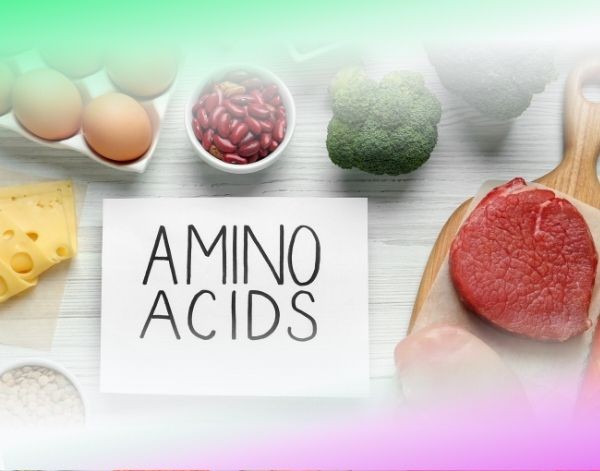
Amino Acids and Protein: The Building Blocks of Human Health
Amino acids are involved in almost every physiological process you can think of—and hundreds you probably can’t. They are constantly at work, supporting growth, repair, communication between cells, and the regulation of key systems. Fundamentally, amino acids function as our bodies best friend, which in turn, makes protein nutrition in our diets essential.
To put this into perspective, let’s zoom in on a few individual amino acids and what they do:
- Leucine plays a key role in protein for muscle health synthesis, helping to stimulate muscle growth and protect against muscle loss during ageing or weight loss.
- Tryptophan is involved in the production of important neurochemicals, including serotonin and melatonin, which influence mood, sleep, and emotional regulation.
- Glutamine supports the integrity of the gut lining and becomes particularly important during illness, stress, or intense physical activity.
- Glycine is a major building block of collagen, contributing to the strength and structure of skin, hair, nails, joints, and connective tissue.
These examples highlight just how foundational amino acids—and therefore protein—are to overall health.
What Does Protein Do in the Body? Protein in Action
Stepping back even further, let’s answer the question: what does protein do? Well, protein shows up in many of the most essential systems in the body:
- Digestive enzymes such as amylase, lipase, and pepsin are proteins that allow us to break down food and absorb nutrients.
- Haemoglobin, the protein found in red blood cells, transports oxygen throughout the body.
- Hormones like insulin, testosterone, and thyroxine are proteins that regulate metabolism, growth, reproduction, and energy balance.
- Structural proteins such as keratin and collagen provide strength, durability, and protection to hair, skin, nails, and connective tissue.
In short, without adequate protein, the body’s ability to function efficiently begins to decline.
The Consequences of Not Getting Enough Protein
Protein deficiency symptoms doesn’t always show up overnight, but its effects can accumulate over time. When intake is consistently too low, the body may experience:
- Muscle wasting and reduced strength
- Persistent fatigue and low energy
- Weakened immunity and frequent infections
- Brittle hair and nails
- Poor wound healing
- Altered digestion and gut motility
While severe protein deficiency is uncommon in developed countries, suboptimal intake is far more common—particularly among older adults, people with busy lifestyles, those with restricted diets, and individuals recovering from illness.
Why the Body Constantly Needs Protein for Repair and Recovery
Our bodies are in a constant state of renewal. Cells are damaged and repaired daily, muscles adapt to movement, tissues recover from stress, and the immune system responds to threats. All of these processes rely on a steady supply of amino acids from dietary protein.
When protein intake is sufficient, these processes can occur efficiently. When you have a low protein intake, the body must prioritise, often slowing down repair and recovery. In some cases, the body enters a state known as protein catabolism, where it breaks down existing muscle or tissue to meet immediate needs.
Protein at a glance
Protein nutrition: key facts, functions, and practical takeaways
Protein isn’t just a “gym” nutrient—it’s built from amino acids your body uses every day for repair, hormones, enzymes, oxygen transport, and structural tissue. The article breaks down what matters most (including how much you may need) without the marketing noise.
What you’ll learn (and why it matters)
- Amino acid basics — protein is formed from 20 amino acids, including 9 you must get from food
- Core body roles — protein supports enzymes, haemoglobin, hormones, collagen/keratin, and day-to-day recovery
- Low intake signals — ongoing shortfalls can affect strength, energy, immune function, hair/nails, healing, and digestion
- Benefits beyond muscle — protein can help with fullness, gut lining support, longevity, and mood/sleep pathways via neurotransmitters
- Complete vs plant proteins — variety across the day can cover essential amino acids for plant-based eaters
- Bioavailability — animal proteins are often absorbed at 90%+, while many plant proteins land around 60–80%
- Supplements in context — powders/bars can be useful for convenience, but don’t automatically mean “healthy”
- Protein targets — minimum needs may prevent deficiency, but higher ranges may better support training, ageing, illness, and pregnancy
Protein Deficiency Symptoms: What Happens When Intake Is Too Low
Protein deficiency doesn’t always show up overnight, but its effects can accumulate over time. When intake is consistently too low, the body may experience:
- Muscle wasting and reduced strength
- Persistent fatigue and low energy
- Weakened immunity and frequent infections
- Brittle hair and nails
- Poor wound healing
- Altered digestion and gut motility
While severe protein deficiency is uncommon in developed countries, suboptimal intake is far more common—particularly among older adults, people with busy lifestyles, those with restricted diets, and individuals recovering from illness.
Benefits of Protein Beyond Muscle Health
Meeting your protein needs doesn’t just prevent deficiency—it actively supports long-term health and wellbeing; these are some of most important benefits of protein.
Protein for Healthy Weight Management
Protein is highly satiating, helping you feel fuller for longer. This supports appetite control and regulation, stabilises blood sugar levels, and can reduce cravings and binge-type behaviours.
Protein and Gut Health
Because amino acids are essential for cell repair, protein plays a key role in maintaining the integrity of the gut lining, supporting digestion and immune function.
Protein, Muscle Preservation, and Longevity
Higher muscle mass is associated with improved health outcomes, mobility, independence, and longevity. Protein intake is essential for maintaining muscle across the lifespan.
Protein’s Role in Mental and Hormonal Health
Protein provides the building blocks for neurotransmitters and hormones, influencing mood, stress resilience, sleep, fertility, and sexual health—from egg and sperm quality through to pregnancy and embryo development.
Types of Dietary Protein: Complete vs Incomplete Proteins
Types of dietary protein sources are commonly categorised as complete or incomplete, based on their amino acid profile.
Complete Protein Sources
Complete proteins contain all nine essential amino acids and are predominantly found in animal-based foods, including:
- Meat (including organ meats)
- Fish and seafood
- Poultry
- Eggs
- Dairy products
- Tofu
- Quinoa
- Chia seeds
While some plant foods are technically complete, they may contain smaller amounts of certain essential amino acids, meaning overall intake still matters.
Incomplete Protein Sources and Plant-Based Diets
Complete proteins contain all nine essential amino acids and are predominantly found in animal-based foods, including:
- Nuts
- Seeds
- Grains
- Legumes
It was once believed that incomplete proteins needed to be combined within the same meal. Current understanding shows that variety across the day is sufficient, making plant-based protein diets entirely capable of meeting protein needs when well planned. Well-planned plant-based diets can meet protein needs by incorporating diverse plant based protein choices, even though many foods are classified as incomplete protein sources.
Stats snapshot
Protein essentials: bioavailability, supplements, and how much you may need
A quick read on how well different proteins are absorbed, when supplements can be useful, and the intake ranges commonly discussed for prevention vs optimisation.
Animal protein absorption
Bioavailability90%+
Animal proteins are typically absorbed at rates exceeding 90%, meaning more of what you eat is readily utilised. High-protein dairy products including milks, yoghurts, and cheeses can help boost intake using familiar foods, though standard dairy products already provide a solid protein contribution.
Plant protein absorption
Bioavailability60–80%
Plant proteins often fall around 60–80% absorption due to fibre and naturally occurring compounds that can affect digestion.
Baseline daily guideline
Deficiency prevention0.75–0.8 g/kg
Traditional guidance sits around 0.75–0.8 g per kg of body weight per day—enough to avoid deficiency for many people.
Higher intake range discussed
Optimisation1.5–2.2 g/kg
Recent research often points to 1.5–2.2 g/kg/day to better support muscle maintenance, recovery, ageing, illness, pregnancy, and high activity.
Example (60 kg person)
Daily target90–132 g
At 60 kg, the higher range equates to roughly 90–132 g of daily protein intake. Commonly derived from whey, casein, soy, pea, or hemp, protein powder are convenient, versatile, and easy to incorporate into smoothies, oats, or liquids.
Protein bars “rule of thumb”
Supplements15 g+
If choosing a protein bar, look for around 15 g protein with minimal added sugars—best kept as a backup, not a daily staple.
Common Protein Myths Explained
”“Eating more protein automatically builds muscle.”
Protein supports muscle growth, but resistance training is essential.
”“The body stores extra protein.”
Excess protein is converted into energy or fat—it isn’t stored as protein.
”“High-protein products are always healthy.”
Protein content alone doesn’t determine food quality. Sugar, fibre, additives, and overall nutrition still matter.
Protein With Perspective: The Bottom Line on Protein Nutrition
Protein is undeniably important—but it doesn’t exist in isolation. Quality, variety, bioavailability, lifestyle, and individual needs all matter far more than chasing numbers or marketing claims.
When protein intake is balanced, intentional, and grounded in whole foods, healthy protein intake becomes a powerful foundation for health, resilience, and longevity—without the overwhelm.



You could have Converge as your EAP. Reach out now!
Protein recapped: Protein Nutrition FAQs
What is protein and why is it important for health?
Protein is a macronutrient made up of amino acids that support muscle repair, immune function, digestion, hormone production, and overall body maintenance.
What happens if you don’t get enough protein?
Low protein intake can lead to muscle loss, fatigue, weakened immunity, poor wound healing, brittle hair and nails, and reduced recovery.
How much protein do most adults need per day?
While minimum guidelines suggest 0.75–0.8 g per kg of body weight, emerging research supports higher intakes of 1.5–2.2 g/kg/day for optimal health.
Are plant-based proteins enough to meet protein needs?
Yes. Plant-based diets can meet protein requirements when a variety of protein sources are consumed across the day.
Are high-protein products always healthy?
Not necessarily. Protein content alone doesn’t determine food quality—added sugars, fibre, additives, and overall nutritional balance matter.