
Artificial intelligence in the workplace is rapidly reshaping how work is performed, how decisions are made, and how roles evolve. According to recruitment firm Hays, AI is transforming industries including healthcare, finance, customer service, legal, and manufacturing at scale. From automating routine tasks to improving accuracy and efficiency, AI technology in the workplace is now embedded across industries.
Much of the rhetoric suggests that AI is replacing jobs, and as the technology grows, employees are increasingly questioning their job security, the skills they need to build, and their long-term career direction – often asking: is AI replacing my job, or is it redefining it?
Artificial intelligence is not going anywhere, so employers and employees alike need to care. For employers, AI presents opportunities to improve efficiency, streamline operations, and reduce costs. However, AI is quickly revealing an employer’s role and responsibility to support employees through change. As AI in the workforce continues to accelerate, the organisations that succeed won’t just adopt new technology; they’ll invest in helping their people adapt, with support systems like EAP playing a critical role in navigating uncertainty and building future-ready skills.
Key Takeaways: How AI is reshaping the workplace & job roles
AI is becoming embedded across many roles, driving both efficiency gains and increased employee uncertainty about job security and required skills.
While AI capabilities are expanding, it is not replacing the need for human skills such as judgment, empathy, and decision-making.
Employers have a responsibility to lead through change, supporting their people with clear communication, reskilling opportunities, and wellbeing support such as EAP.
What Is AI in the Workplace?
Artificial intelligence in the workplace refers to the use of AI technologies to automate tasks, analyse data, and support decision-making. It is commonly used to improve efficiency, reduce manual workload, and help employees focus on higher-value, strategic, and creative work.
How AI Is Changing the Workplace
Artificial intelligence is not fully replacing jobs, but it is significantly changing how work is performed. While AI can automate repetitive tasks, it also creates new roles and opportunities, meaning most jobs are being redefined rather than eliminated.
Artificial intelligence in the workplace has raised questions about whether this emerging technology will replace human jobs or simply evolve the way people work.
What we know now is that AI can automate repetitive and mundane tasks, freeing up time for more strategic projects. As a result, employees can be relieved of monotonous tasks, enabling greater focus on achieving strategic business objectives.
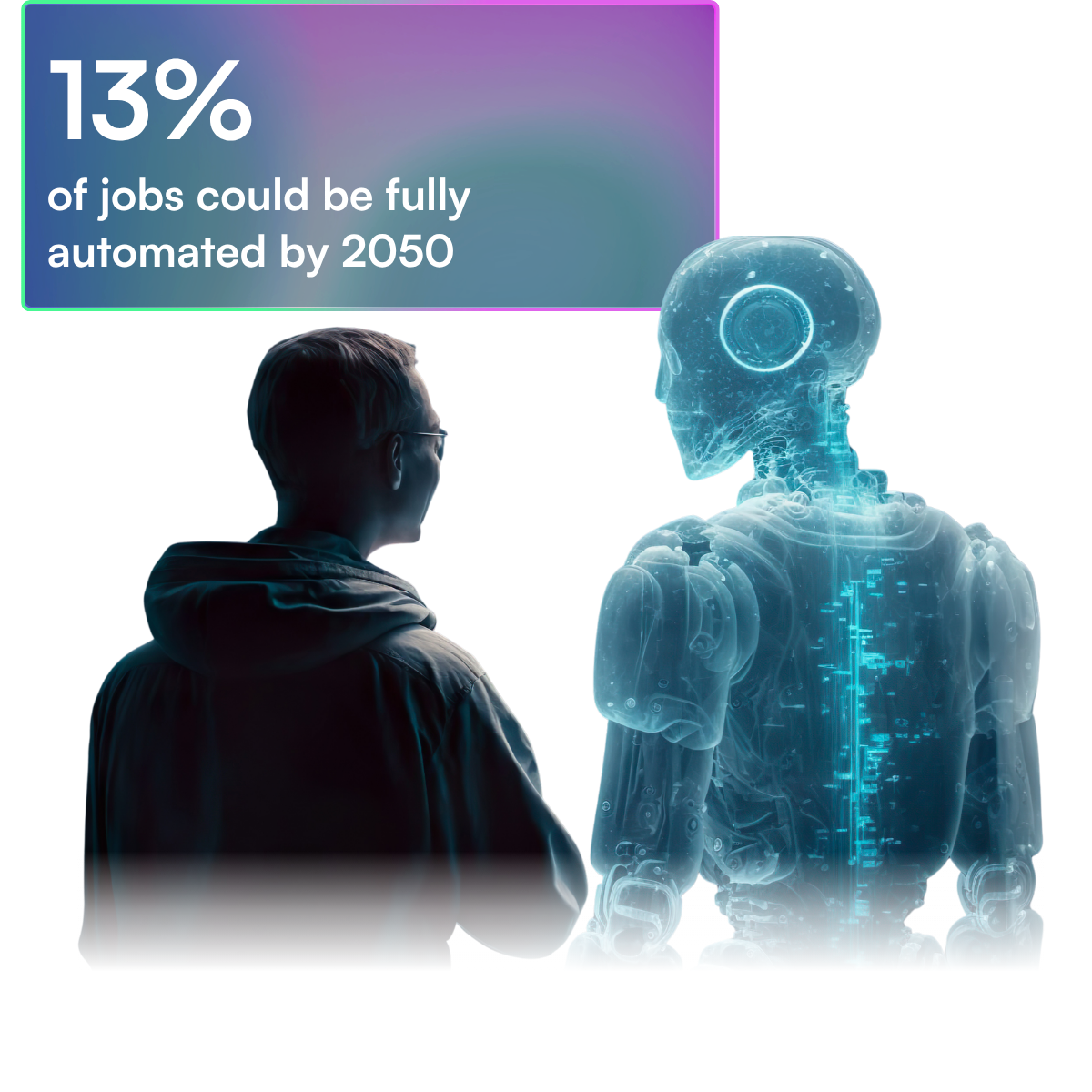
Yet, that doesn’t mean there won’t be a job sector shake-up in the coming years. According to Job and Skills Australia, an estimated 13% of jobs could be fully automated by 2050. Similarly, more than half of jobs could have AI introduced to support day-to-day tasks.
How AI Is Shifting Jobs and Career Paths
Industries already impacted by AI include finance and banking, healthcare, administration, manufacturing, customer service, and clerical or entry-level roles — where automation and intelligent systems are rapidly reshaping how work is performed.
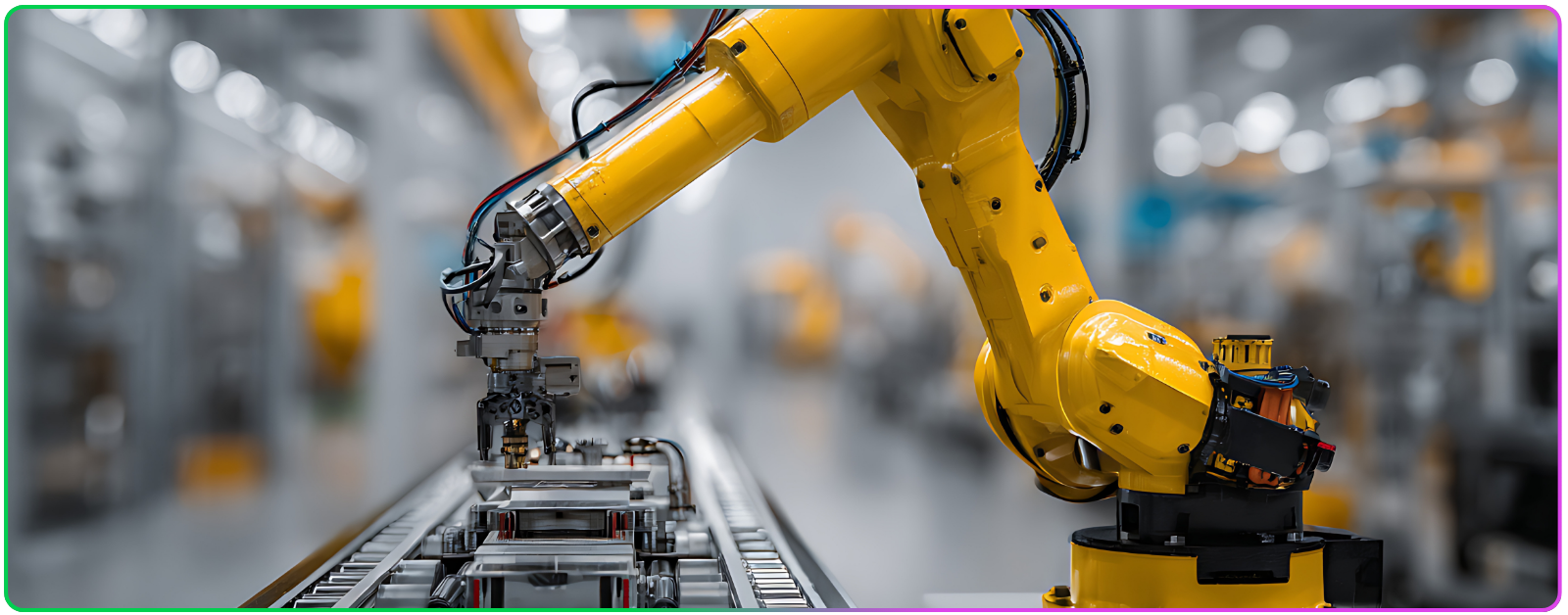
AI is transforming work through data entry automation, medical diagnosis support, bookkeeping, call centre automation, advanced data analysis, product assembly, and streamlined administrative processes — improving efficiency while changing workforce demands.
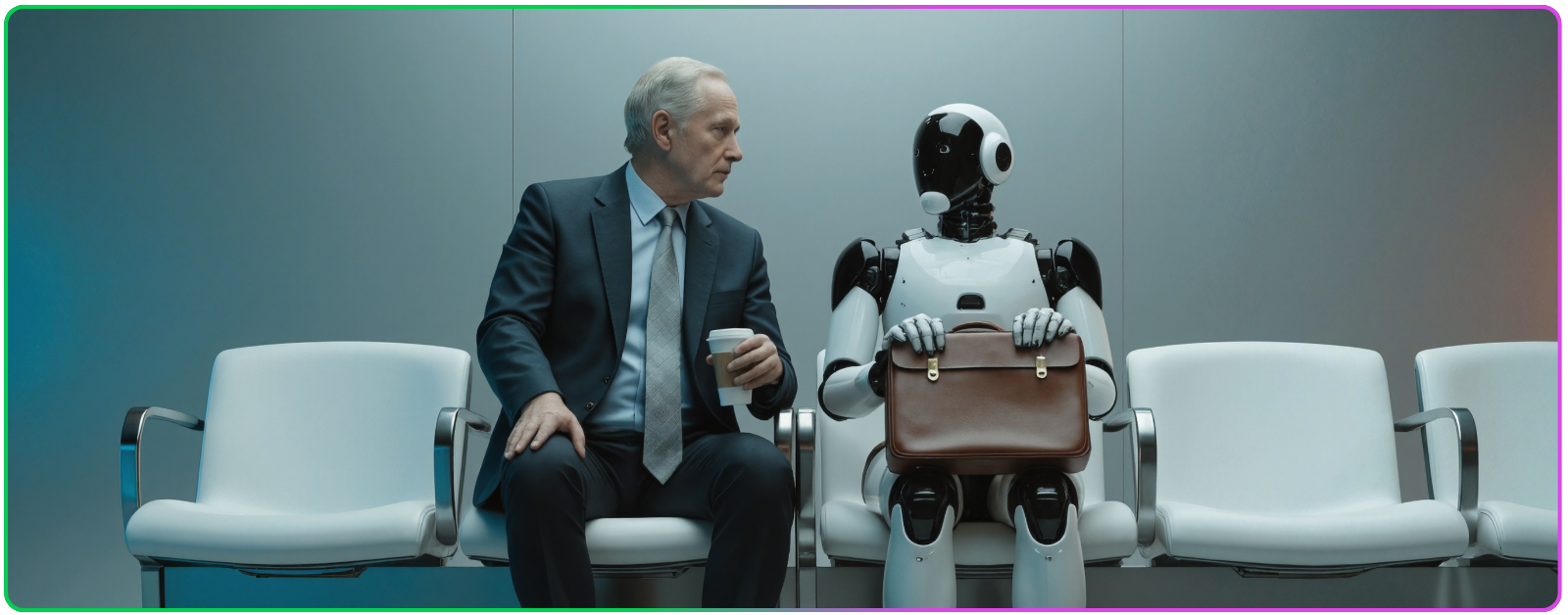
What may result is that employees experience less stress when achieving strategic goals due to reduced workloads and automated tasks. Equally, for employers, AI can help drive efficiency, improve quality control, and reduce costs. However, it’s important to note that studies show it is still too early to fully understand how AI impacts wellbeing, financial concerns, and anxiety among workers, or how it will shape the job market long term.
Nonetheless, employers have a responsibility to support their employees’ wellbeing – from managing organisational change to addressing day-to-day anxiety created by AI. Equally, employees have a unique opportunity to upskill and use AI to their advantage. As the saying goes: AI won’t take your job – a person who knows how to use AI will.
How to Adapt to AI in the Workplace: 4 tips for skill-building
According to Nexford University, there are several ways to ensure you upskill effectively to adapt to AI and its impact on the workplace. Simply put, embracing AI (rather than resisting it) is key. AI has the potential to improve work-life balance and increase efficiency.
➡ Commit to learning the potential of AI and adapting to technology. Many people fear new technology, but taking the time to understand how AI works can support adaptation. Employees can undertake courses, attend workshops, and experiment with AI tools to understand their advantages and limitations.
➡ Focus on soft skills rather than trying to become an expert. AI is complex and constantly evolving, making true expertise difficult. Instead, building skills in communication, problem-solving, and task automation will provide long-term value.
➡ Be agile and adaptable. Adaptability has always been essential in the workplace. Employees should be open to learning new skills, taking on new responsibilities, and exploring different roles where their skills are transferable.
➡ Consider specialising. While being versatile is valuable, specialising in a particular field can increase employability and long-term career value in an AI-driven environment.
Benefits of AI in the Workplace

AI in the workplace offers several benefits for both employees and employers:
- Improves efficiency by automating repetitive tasks
- Enhances decision-making through data analysis
- Reduces administrative workload
- Supports better work-life balance
- Increases productivity across teams
Risks of AI in the Workplace

AI adoption also introduces challenges organisations must manage:
- Job security concerns among employees
- Increased workload during implementation phases
- Skills gaps and training requirements
- Over-reliance on technology
- Potential impacts on employee wellbeing
Does AI Improve Productivity in the Workplace?
Yes, AI can improve workplace productivity by automating tasks, accelerating data analysis, and supporting faster decision-making. However, productivity gains depend on how effectively AI tools are implemented and adopted by employees.
In fact, AI has rapidly become a core tool across Australian workplaces, acting as a digital colleague. According to CSIRO, 18% of tasks using generative AI were completed faster. Similarly, a 14% improvement in issue resolution was observed when AI was used. Notably, AI delivered a 35% increase in productivity for less experienced users.
However, it’s not always straightforward. CSIRO also noted that while AI has the potential to improve performance, it doesn’t always lead to increased productivity. In some cases, a study of 2,500 employees found workloads increased by 77% when AI was introduced — often due to the challenges of learning and implementing new tools.
Some employees may view learning AI as an added burden. But as with any new skill, learning comes before efficiency — once mastered, AI can significantly reduce workload pressures.
How AI Works in the Workplace — and Where Human Strength Still Leads
AI in the workplace operates by working alongside employees, automating simple or time-consuming tasks.
3 Ways AI Supports Workplace Tasks
The speed of AI is one of its strongest features. Artificial intelligence can analyse data in seconds and perform predictive analysis, such as identifying churn risks, detecting fraud, or flagging contract renewals.

AI can complete multi-step tasks that would otherwise take significant time — such as scheduling meetings, sending follow-ups, and updating CRM systems.

Many AI tools can summarise long email threads and complex datasets, streamlining research and reducing time spent on manual data analysis.
Where Human Skills Still Matter
These examples highlight how AI can significantly enhance workplace efficiency. However, human skills remain essential. While AI is powerful, humans still lead in key areas:
Contextual understanding and strategic judgment remain uniquely human strengths. AI can process data quickly but cannot fully interpret context or make complex business decisions.
AI lacks emotional intelligence. It cannot empathise, negotiate effectively, or build meaningful interpersonal relationships.

AI generates ideas based on existing data, whereas humans provide originality, creativity, and innovation. Humans excel in open-ended problem-solving and specialised expertise — making AI a support tool, not a replacement.
Types of AI in the Workplace
Supporting Employees Through AI Change Using EAP
AI in the workplace can cause anxiety and apprehension, particularly among employees who are less familiar with technology. However, employers can implement strategies to support their teams through change, including:
- Training on how to use AI effectively
- Regular workshops and learning sessions to build confidence
- One-on-one support for employees who need additional guidance in a judgement-free environment
This last point is critical. Employees may resist change if they feel overwhelmed by complex systems. This can lead to burnout, absenteeism, and disengagement. Providing personalised support via EAP can make a significant difference. In short: AI is transforming jobs by automating tasks, not replacing human value. Employees who adapt and build complementary skills are more likely to benefit from these changes.
While upskilling is important, wellbeing is equally critical. “AI anxiety” — a term describing the impact of AI on mental health — is becoming increasingly relevant. EAP support plays a key role in helping employees manage this transition.

To Recap: How to Adapt to AI in the Workplace
Practical ways employees can adapt to artificial intelligence in the workplace.
Learn how AI works
Understand AI by taking courses, attending workshops, and experimenting with tools.
Develop soft skills
Build communication, problem-solving, and collaboration skills.
Stay adaptable
Be open to learning new skills and evolving roles.
Consider specialisation
Develop expertise in a specific area to remain competitive.
Real workplace examples of EAP career coaching supporting employees in overcoming AI-anxiety
These case studies show how our EAP career coaches help employees respond to AI-related workplace change with practical strategies, confidence, and a clearer path forward.
Reframing Redundancy as Opportunity
One of our clients, Sarah, a mid-level marketing manager, came to coaching after being made redundant. Her role was affected by automation tools that reduced the need for manual campaign execution.
Initially, Sarah felt overwhelmed and uncertain:
“Everything I’ve built my career on feels like it’s disappearing.”
Through coaching, we helped her shift her perspective from loss to leverage.
Together, we identified:
- Her strengths in strategy, stakeholder engagement, and storytelling
- Her ability to interpret data — not just produce it
- Her interest in emerging digital tools
Rather than competing with AI, Sarah repositioned herself alongside it. She upskilled in AI-driven marketing platforms and reframed her experience toward strategic brand leadership.
Within three months, she secured a new role, one that didn’t even exist in her previous organisation.
AI may change what you do, but your human capabilities, critical thinking, creativity, and influence remain your greatest assets.
Staying Relevant Without Starting Over
Another client, James, a senior operations leader, wasn’t facing redundancy, but he was feeling increasingly uneasy.
“I can see the changes coming, but I don’t know how to future-proof myself without starting from scratch.”
James assumed he needed to completely reinvent his career in tech. In reality, his value lay in something AI cannot replicate easily: leading people through complexity and change.
In coaching, we focused on:
- Building his understanding of AI (without needing to become a technical expert)
- Strengthening his change leadership capability
- Positioning himself as a bridge between technology and people
He began leading internal conversations about AI adoption in his organisation, not as a technical specialist, but as a trusted leader guiding others through uncertainty.
You don’t need to become AI. You need to understand how to work with it.
What should employees do about AI in their career?
If AI is changing the way we work, the question isn’t whether it will impact employees — it’s how a staff member responds. Here are practical, proven ways employees can stay relevant and confident, as well as support that you could offer (think EAP). Follow these steps, outlined by Converge career coach and expert, Nikki Louise Taylor:
What human skills matter most in an AI-driven workplace?
AI excels at speed, scale, and data processing. Humans excel at:
- Empathy
- Creativity
- Judgment
- Relationship-building
These are not “soft skills”; they are future-critical skills.
Do employees need AI literacy or technical AI expertise?
Employees don’t need to code, but they do need to understand:
- What AI can and can’t do
- How is it impacting industry
- Where it can enhance effectiveness
Curiosity is our biggest advantage here.
How should employees plan their future career with AI?
Instead of anchoring career planning to a job title, shift the focus to transferable skills and future opportunities.
This shift opens up far more opportunities in a rapidly evolving landscape.
How does EAP career coaching help employees navigate AI change?
At a time when change feels constant, coaching provides something increasingly valuable: space to think, reflect, and make intentional decisions.
AI can provide answers. Coaching helps employees ask the right questions.
- Build clarity and confidence in uncertain times
- Identify transferable strengths
- Navigate transitions with purpose rather than fear
EAP Support and Caring for Employees Fearful of AI
Your employee assistance program can help employees manage stress, build resilience, and navigate career development in an evolving workplace. At Converge, we support employees through a range of wellbeing challenges — whether related to AI or broader workplace concerns. Here is a step-by-step guide on what your employee can expect when approaching Converge:
Employee reaches out to Converge via our website, the Converge App, or contact centre.
They will be matched with a specialist. They can access multiple services for many different changes, so they could see our career coaches to talk through their career direction and skill-building for AI, and one of our counsellors to talk through their wellbeing challenges cause by AI-related anxiety.
They will conduct the session and gain expert support and practical, easy to implement strategies to help them boost their skills and overcome hurdles.
To give your employees this tailored, expert, and accessible support, reach out to our team to see how Converge can make an impact. We care about your employees mental health and wellbeing and have all the solutions you need!

AI in the Workplace FAQs
Is AI replacing jobs in the workplace?
Artificial intelligence is not fully replacing jobs, but it is transforming how work is performed. AI can automate repetitive tasks, allowing employees to focus on more strategic, creative, and high-value work. While some roles may change or decline, new opportunities are emerging that require human skills such as critical thinking, empathy, and decision-making.
What jobs are most affected by AI?
Industries such as administration, customer service, finance, healthcare, and manufacturing are among the most impacted by AI. Tasks like data entry, reporting, and scheduling are increasingly automated, while roles requiring human interaction and expertise remain essential.
What skills are important in an AI-driven workplace?
Key skills include adaptability, digital literacy, problem-solving, communication, and emotional intelligence. As AI continues to evolve, employees who can work alongside technology and continuously upskill will be better positioned for long-term career success.
Does AI improve productivity at work?
AI has the potential to significantly improve productivity by completing tasks faster and supporting decision-making. Studies show increases in efficiency and output, especially for less experienced workers. However, productivity gains depend on how effectively AI is implemented and used.
How can employees adapt to AI in the workplace?
Employees can adapt by learning how AI tools work, building complementary skills, staying flexible, and embracing continuous learning. Developing both technical understanding and soft skills is key to thriving in an AI-driven environment.
What are the risks of AI in the workplace?
AI can create uncertainty around job security, increase workload during implementation, and contribute to stress or anxiety. Without proper support, employees may struggle to adapt to new technologies and changing expectations.
How can employers support employees through AI changes?
Employers can support their workforce by providing training, clear communication, and wellbeing support. Programs like EAP can help employees manage stress, build resilience, and navigate career transitions linked to AI adoption.