Many employees are struggling with their mental health but feel apprehensive about seeking support. That is, until they reach crisis point. Proactive employee mental health support can change that. If help-seeking were normalised, stigma around mental health were dismantled, and employees had simple access to support avenues, their mental health challenges could be eased, and a crisis could also be prevented.
In Australia, mental health conditions impact approximately one in five people each year, according to ABS 2020-22 data. That’s over 4 million people, many of whom could be part of your workforce. These challenges can affect their ability to function, perform, and remain productive in their day-to-day lives.
According to VicHealth, evidence suggests that depression and anxiety could be, in many cases, prevented. And yet, 7 in 10 employees conceal their mental health condition from their employer, WayAhead 2024 research reports. Similarly, 30% of people are unlikely to seek support, Beyond Blue says in their 2023 article. However, if support were readily available and actively promoted by their employer, more employees may feel comfortable seeking the help they need.
In this guide, we will explore why employees are calling for more support in their workplace, and what organisations can do to prevent a wellbeing crisis and help their people thrive.
1 in 5
Australians impacted by a mental health condition each year (over 4 million people).
Australian Bureau of Statistics | 2020-22
7 in 10
employees conceal their mental health condition from their employer.
WayAhead | 2024
30%
of people are unlikely to seek support.
Beyond Blue | 2023
6 in 10
employees have considered quitting because of declining mental health.
Beyond Blue | 2025
What You'll Learn in This Article
Reviewed by Marylise Talbot, Executive Director of Digital, Converge & EAPAA President | Updated October 2026
With a background spanning digital transformation, product innovation and marketing, Marylise brings these worlds together to design experiences that make a genuine difference and build solutions that leave workplaces stronger, healthier and more connected.
Why employees need support before crisis point
How to recognise mental health warning signs
Barriers to seeking employee mental health support
How counselling and crisis intervention help
Supporting employees through critical incidents
The role of managers in early intervention
Building resilience and preventing wellbeing crises
How Converge supports employee mental health
Why Do Employees Need Support Before Crisis Point?
Support before crisis helps employees address personal and work-related challenges. The goal is to address these challenges before they escalate into more serious mental health concerns. Confidential employee counselling, early intervention and accessible workplace wellbeing services can help employees manage stress. They can also help employees build resilience and access appropriate care sooner.
Providing wellbeing support proactively means employees can seek the help they need before they reach crisis point. Everyday stress and challenges are normal. However, addressing that stress or wellbeing challenge can prevent a mental health crisis. An example could be severe burnout. Ultimately, small doses of stress can be helpful. Positive stress can spark innovation, collaboration, and perseverance to complete a project. However, stress can quickly tip towards an unhealthy balance. This is where absenteeism, presenteeism, and other work-related wellbeing issues can emerge.
Similarly, we can all experience challenges in our personal lives. Family issues, relationship breakdowns, mental load, and grief are all examples. These challenges can quickly affect our mental health inside and outside of work.
When employees are not supported with their personal and work-related wellbeing challenges, it can lead to:

Prolonged workplace stress

Absenteeism or presenteeism

Physical symptoms, such as sickness

Anxiety, depression and burnout

Higher turnover

Decreased performance, affecting profitability and operations

Increases in mental health-related WorkCover claims

Added pressure to team members and colleagues
“
Given their collective prevalence, primary prevention initiatives for these conditions are likely to lead to substantial improvements in population mental health.”
Dr Stephen Carbone,
VicHealth, July 2020
Breaking the Poor Support Cycle
Organisations can alleviate the pressure of these issues. Through support avenues, such as employee counselling and crisis counselling via EAP, employees can receive the care they need both proactively and during a crisis.
This can be shown as two cycles. The first:
Employee is faced with a challenging situation, which leads to poor wellbeing outcomes
Poor support causes stress and mental health conditions to worsen
Employee leaves role, or their productivity dips
Organisation suffers as a result
When support is available the cycle can be broken:
Employee is feeling overwhelmed
Organisation actively promotes support and destigmatises help-seeking
Employee receives appropriate care from clinician through employer-funded EAP
Employee is able to continue performing and the organisation benefits
“
By offering mental health support services to employees both proactively and following a crisis, organisations can build resilience and support recovery that improves wellbeing outcomes. Beyond fulfilling their moral and legal obligations, investing in employee wellbeing helps businesses build a healthier, more resilient and sustainable workforce.”
Cate Page
Chief Clinical Officer, Converge
Cate has over two decades of experience in EAP, consultancy, and training. A former manager of the Beyondblue National Workplace Program, Cate is a sought-after expert in mental health in the workplace.
Why Is Early Employee Mental Health Support Important?
Early intervention and employee mental health support are essential, as they prevent minor work-related and personal wellbeing challenges from turning into more severe, crisis-level issues, such as burnout, long-term illness, and higher rates of turnover. By actively promoting proactive support and driving awareness of wellbeing initiatives, organisations can see benefits including:


Reduced time spent away from work (absenteeism)

Increases in employee engagement, productivity, and focus

Better employee retention due to staff feeling valued, supported and safe, creating stronger loyalty and reductions in recruitment costs

Stronger workplace culture driven by trust, psychological safety, and normalised help-seeking

8350+
employees reached out to Converge EAP over FY26 for support with work-related incidents and events, highlighting the need to recognise the signs of distress and proactively supporting employee wellbeing.
*Source: Converge FY26 de-identified employee utilisation reporting.
What Are the Signs of a Mental Health Crisis?
Mental health challenges can be difficult to identify, as they often present differently from person to person. The complex nature of mental health means it can manifest at different times, in different places and uniquely in each person.
However, there are often signs that signal an employee is struggling with their mental health. The following is a list of key identifiers to look out for, as many employees may not outwardly request help or openly talk about their wellbeing.
- Sudden changes in behaviour, such as increased risk-taking, addictive or negative behaviours
- Erratic mood swings and signs of low mood
- Withdrawal, isolation or appearing sad
- Lack of interest in hobbies, work, and things that previously brought enjoyment
- Talking negatively and increased pessimism
- Higher irritability and aggression
- Sleep disturbance, such as sleeping too little or too much
- Increases in disorganisation, confusion, and trouble concentrating
- Inability to cope and function, such as frequently arriving late to work, drop in personal hygiene, and presenting as hostile
What Are the Barriers to Seeking Employee Mental Health Support?
There are a number of barriers to seeking mental health support including stigma, stoicism, and fear of repercussions, such as career limitations. Others may also experience fear of strained relationships with family, friends, colleagues and managers, for example, lack of support, reduced career opportunities, or managers treating them differently to other team members. Other barriers to support include:
01 | Fear of disclosure
02 | Concerns about the confidentiality of wellbeing resources, such as EAP
03 | Time constraints, heavy workloads, and lack of flexibility
04 | Lack of awareness around workplace wellbeing initiatives on offer
05 | Fear of being seen as weak or unable to do the job
The same WayAhead research found that:
32%
of employees experienced unfair treatment from their manager
23%
said their workplace was psychologically safe and supportive of those who had a mental health disorder
According to Beyond Blue, 6 in 10 employees have considered quitting their job because of their declining mental health. Therefore, reducing these barriers is essential, not only for the employee who’s suffering, but also for the business to truly prosper and retain talent.
What Is Employee Counselling and Early Mental Health Intervention?
Mental health counselling for employees and early intervention go hand-in-hand as they both work to support employees with remaining mentally resilient and healthy. Employee counselling is delivered through an Employee Assistance Program (EAP), such as Converge, where an experienced clinician provides support for personal and work-related challenges the staff member is experiencing.
When accessed early, employee counselling can minimise ongoing wellbeing issues and impacts on performance, and support the employee’s ability to function and focus inside and outside of work. To ensure employees are able to see the value in EAP counselling, workplaces need to actively promote support avenues, while advocating for positive help-seeking behaviours. This in turn will help to increase early mental health intervention and care, ultimately preventing minor issues from escalating.
Sessions are entirely confidential and are designed to help employees overcome:
Anxiety, stress, and depression
Relationship issues
Addictive behaviours
Sleep issues
Burnout
Conflict
Anger and violence
Emotional challenges
Need help now?
If you or someone you know is in immediate danger, call 000 (Australia) or 111 (New Zealand). For 24/7 crisis support, call Lifeline on 13 11 14 (Australia) or call or text 1737 (New Zealand). If your organisation has an EAP with Converge, you can also contact Converge 24/7 on 1300 687 327.


How Do Crisis Counselling & Intervention Services for Employees Work?
When an employee’s wellbeing challenge becomes more severe, employee crisis intervention services, such as crisis counselling, are designed to provide immediate psychological support and safety planning. An employee may need to access this confidential service when they’ve experienced a traumatic event, a mental health episode, or acute distress.
Crisis intervention and counselling work by:

Providing employees with 24/7 phone-based psychological support and triage during times of distress


Providing in-person or virtual care when the workplace has experienced a critical incident which can lead to trauma

The goal of crisis counselling is to prevent ongoing trauma, help employees unpack and understand the trauma they’ve experienced, and work through a distressing episode.
Critical Incident Support in the Workplace: Supporting Employees During a Workplace Mental Health Crisis
Supporting employees through a workplace crisis involves three key pillars of action: immediate response to the crisis, early identification and structured workplace adjustments. All wellbeing support should be delivered by an experienced and qualified mental health practitioner and can be facilitated through a critical incident response. Here is how this framework operates:
A Framework to Support Employee Recovery After a Critical Incident at Work
Supporting employees through a workplace crisis rests on three pillars. All wellbeing support should be delivered by an experienced, qualified mental health practitioner, and can be facilitated through a critical incident response.
Immediate response
When a crisis event (critical incident) has occurred, managers, HR and wellbeing teams must assess any immediate physical danger as well as potential emotional and psychological risk for employees who have been impacted. Psychological support can then be provided by qualified counsellors to minimise potential symptoms of trauma.
Early identification
In the days and weeks after the event, managers should look for signs including dips in mood and changes in behaviour and patterns. Managers should also check in with the employee regularly. Finally, managers should work with the employee on any plan that ensures recovering and emotional stabilisation. This plan may include workplace adjustments (where feasible), such as time away from work, and ongoing wellbeing support from work (with the employee’s consent).
Structured adjustments
Work with the employee to provide the necessary adjustments they need. This can include a phased return to work, increased flexibility and any protection from potential sensory triggers and exposure.
After a potentially traumatic event, managers and leaders should encourage the affected employees to access ongoing support through their EAP. Managers can also refer the employee to EAP counselling, with their consent. Alternatively, encourage them to seek help from their GP or a private psychologist.
What Is the Role of Managers in Supporting Employee Mental Health?
Managers are uniquely positioned to support employee wellbeing, and while managers are not responsible for delivering mental health care, they are able to signpost staff to care and support them through intake.
However, managers have said they feel they haven’t been adequately trained to handle mental health challenges. Therefore, organisations must provide training to managers to ensure they’re able to effectively support employees and know how to de-escalate a situation. Equally, they must be able to recognise the signs of poor wellbeing, approach a wellbeing conversation, and signpost employees to support.
With managers being the people on the front line, and often the person an employee may turn to during their time of need, a manager has a lot of responsibility. Many EAP providers offer manager coaching. At Converge, we offer a Manager Support stream where we help leaders acquire skills to manage wellbeing and coach them through a mental health conversation.
In FY26, we delivered almost 8,000 Manager Support appointments. Services such as Manager Support ensure a leader is equipped and ready to support employee mental health.
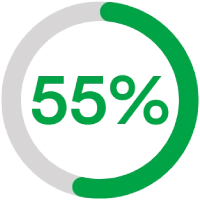
55% of employees feel comfortable talking to their manager about their mental health.
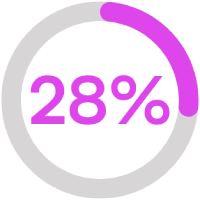
However, only 28% of managers said they had received adequate training to support employees.
That 27-point gap is where manager training makes the difference.
Building Resilience in the Workplace During Challenging Situations
Resilience is the ability to adapt and bounce back from adversity, trauma, or significant stress. It’s a vital trait that equips us to face life’s unpredictable challenges with determination and grace. While it’s not possible to evade stress and setbacks entirely, the cultivation of resilience and mental fitness is a powerful tool that can shape how we respond to these challenges and, ultimately, our overall wellbeing.
Resilience is a skill set that can be cultivated and developed over time. Strengthening resilience is a gradual process that requires perseverance and support from a social network. It relies on both personal attributes and abilities (such as self-esteem and effective communication) and external factors (like the availability of social support and resources).
To build resilience, employees can:
Maintain a positive outlook in the face of adversity and setbacks
Build a strong support network made up of friends, family and colleagues
Actively problem solve, tackle challenges, and break down complex problems into manageable goals
Practise self-care so they stay energised and avoid burnout
Be adaptable by embracing change as an opportunity for growth and developing the flexibility to adjust to new circumstances
To practise resilience and cultivate a resilient mindset, try…
✓
Taking breaks for relaxation
✓
Engaging in exercise or meditation
✓
Celebrating your accomplishments
✓
Keeping a journal
Proactive Counselling and Crisis Counselling: How They Work Together
Proactive employee counselling and crisis counselling serve different moments, but they share the same goal: helping employees stay safe, resilient and supported. Proactive counselling helps employees address stress and personal challenges early, before they escalate. Crisis counselling provides immediate psychological support when an urgent or traumatic situation arises. Together, they create a continuum of care that supports employees before, during and after a mental health crisis.
| Proactive counselling | Crisis counselling | |
|---|---|---|
| Purpose | Helps employees manage everyday stress and challenges early, before they escalate. | Provides immediate psychological support and safety planning during acute distress. |
| When it helps | Ongoing, at the first signs of stress, low mood or difficulty coping. | After a traumatic event, a mental health episode or a critical incident. |
| What it supports | Stress, anxiety, depression, burnout, relationship issues, grief and workplace conflict. | Trauma, acute distress and urgent wellbeing concerns that need immediate care. |
| How it’s accessed | Confidential EAP sessions with a qualified clinician, plus digital wellbeing tools. | 24/7 phone support and triage, or in-person and virtual critical incident support. |
| Outcome | Builds resilience and coping skills, reducing the risk of a future crisis. | Helps employees feel safe, process what happened and reduce the risk of ongoing trauma. |
| How they connect | Early support can prevent challenges reaching crisis point. | Ongoing counselling supports recovery once the immediate crisis has passed. |
Why Choose Converge for Employee Crisis Support?
Converge provides employee mental health support through an integrated Employee Assistance Program (EAP). We combine confidential employee counselling, crisis counselling, critical incident support, manager guidance and digital tools to enhance staff wellbeing. Our services help organisations support employees through personal and work-related challenges. Additionally, we encourage early intervention and provide access to appropriate support during periods of distress.
With more than 65 years of experience supporting workplace wellbeing, Converge works with organisations of all sizes across Australia and New Zealand. Our approach combines qualified human expertise with accessible digital resources. This helps organisations create a workplace where employees feel supported before, during and after a mental health crisis.
Employee Mental Health Support Before, During and After a Crisis
Effective employee crisis support requires both proactive intervention and a clear response when urgent situations arise. Through Converge’s EAP and workplace wellbeing services, organisations can provide employees with support suited to their individual circumstances.
Converge provides access to:
Employees can speak with qualified professionals about stress, anxiety, depression, grief, and relationship difficulties. Similarly, we support employees experiencing burnout, workplace conflict and other personal or work-related challenges. Early access to counselling can help employees address concerns before they become more difficult to manage.
Employees can access phone-based psychological support and triage during periods of acute distress. This helps them understand their options and connect with appropriate care.
When a traumatic event affects a workplace, Converge can provide psychological support to help impacted employees. We help them process their experiences through trauma-informed, evidenced-based psychological care. In FY26, Converge supported more than 40,200 employees through critical incidents.
Converge helps managers develop the skills and confidence to recognise potential signs of distress. We also help them approach sensitive wellbeing conversations confidently, and connect employees with appropriate support. In FY26, Converge delivered almost 8,000 Manager Support appointments.
The Converge App and Employee Wellbeing Portal provide convenient access to wellbeing resources, support information and service pathways. This helps employees engage with their wellbeing proactively.
Converge brings together counselling, technology, coaching, leadership support and specialist services to help organisations address employee wellbeing at different stages. We’re there for your employees every step of the way – from prevention and early intervention through to crisis response.
Enquire today to learn more about our mental health and wellbeing EAP support services
Frequently Asked Questions about Early Intervention Support
Why do employees wait until they are in crisis to seek support?
Employees often delay seeking mental health support because of stigma, stoicism, fear of disclosure and concerns about how they will be perceived at work. Many worry that asking for help will make them seem weak, limit their career opportunities or change how managers and colleagues treat them. Other barriers include uncertainty about confidentiality, heavy workloads, time constraints and a lack of awareness of workplace wellbeing services such as an Employee Assistance Program (EAP). WayAhead research reports that 7 in 10 employees conceal their mental health condition from their employer. When organisations actively promote support and normalise help-seeking, employees are more likely to reach out before a mental health crisis develops.
What are the early warning signs that an employee may be struggling?
Early warning signs that an employee may be struggling with their mental health include:
- Sudden changes in behaviour, such as increased risk-taking or negative habits
- Mood swings, low mood or increased irritability
- Withdrawal, isolation or loss of interest in work and hobbies
- Increased pessimism or negative talk
- Sleep disturbances, either too little or too much
- Trouble concentrating, disorganisation or confusion
- Difficulty coping, such as frequent lateness or a decline in personal hygiene
Mental health presents differently for each person, and many employees will not ask for help directly. Recognising these signs early allows managers to start a supportive conversation and connect the employee with appropriate care.
How can employees get help before a mental health crisis?
Employees can get help before a mental health crisis by accessing confidential employee counselling through their organisation’s Employee Assistance Program (EAP). EAP counselling provides support from qualified clinicians for challenges such as stress, anxiety, depression, burnout, relationship issues, grief and workplace conflict. Digital wellbeing tools, such as the Converge App and Employee Wellbeing Portal, also give employees convenient access to resources and support pathways. Employees can also speak with their manager, GP or a private psychologist. Seeking support early helps prevent everyday stress and personal challenges from escalating into more serious mental health concerns.
What should an employer do when an employee is in crisis?
When an employee is in crisis, employers should follow three steps: immediate response, early identification and structured adjustments.
- Immediate response: Assess any immediate physical danger, as well as potential emotional and psychological risk. Arrange psychological support from qualified counsellors, such as through critical incident support or 24/7 crisis counselling.
- Early identification: In the following days and weeks, check in regularly, watch for dips in mood or changes in behaviour, and work with the employee on a recovery plan.
- Structured adjustments: With the employee’s consent, agree on adjustments such as time away from work, a phased return to work, increased flexibility and protection from potential triggers.
Employers should also encourage ongoing support through their EAP, GP or a private psychologist.
How can managers recognise when an employee needs support?
Managers can recognise when an employee needs support by noticing changes in behaviour, mood, performance and engagement, such as withdrawal, irritability, missed deadlines, lateness or difficulty concentrating. Managers are not responsible for providing mental health care, but they play a key role in signposting employees to support. Research from Corporate Mental Health Alliance Australia (CMHAA, 2025) found that 55% of employees feel comfortable talking to their manager about their mental health, yet only 28% of managers feel adequately trained to support them. Manager training and coaching, such as Converge’s Manager Support service, helps leaders identify warning signs, approach wellbeing conversations with confidence and connect employees with appropriate care.
What is crisis counselling and when is it needed?
Crisis counselling is immediate, confidential psychological support for employees experiencing acute distress, a traumatic event or a mental health episode. Crisis intervention services for employees include 24/7 phone-based psychological support and triage, as well as in-person or virtual critical incident support when a workplace has experienced a traumatic event. Crisis counselling is needed when an employee’s wellbeing challenge has become severe or urgent. Its goal is to help the employee feel safe, understand and process what they have experienced, work through the distressing episode and reduce the risk of ongoing trauma.
How can early support improve employee resilience?
Early support improves employee resilience by helping employees manage stress and challenges before they become overwhelming. Resilience is the ability to adapt and recover from adversity, and it can be developed over time through personal skills and external support. Access to employee counselling, manager support and wellbeing resources helps employees build coping strategies, problem-solving skills and strong support networks. Practical habits such as taking regular breaks, exercising, journalling and breaking challenges into achievable goals also strengthen resilience. For organisations, early intervention leads to lower absenteeism, improved productivity, better retention and a culture of psychological safety where help-seeking is normalised.