

Supporting each other is a basic human instinct. We all have loved ones in our lives, and we aim to be there for them in their time of need. After all, we’d hope they’d be there for us when we hit challenging times. However, it can be difficult to navigate a mental health conversation. We might feel awkward, uncomfortable, or worried that we might say the wrong thing or make the situation worse.
Each and every day, we all need to support mental health and ask, “Are you okay?” But it’s also understandable if you have reservations. So, being an EAP and employee mental health and wellbeing provider, our EAP services Australia means we’re well versed in how to support you with holding a conversation about mental health. We can also guide you through asking ‘Are you okay?’ and what to do next, as well as how to follow up. So, strap in and keep reading…
Why Checking in on Mental Health Matters in Everyday Life
People around you, friends, family, colleagues, and loved ones, may be battling issues with their mental health that you may not be aware of. Sometimes, people mask their emotions and feelings. Their mental health challenges may not manifest in ways that we recognise as ‘typical’ mental ill-health. That’s why checking in is important. We’re not saying this is always the case, but many people who suffer from a mental health condition may be reluctant to talk or disclose their experience due to stigmatisation. Examples of stigmatising behaviours include:
- Comments that seem harmless, but in actuality, prevent people from talking. This includes comments said in jest such as “I’ll kill myself if my team loses,” or “you’re being bipolar.”
- Real or perceived unfair treatment at work, unequal opportunities, and being exposed as incompetent.
- Dismissive language – saying things like “just toughen up”; “everyone feels like that”
- Exclusion – avoiding socialising or working with someone after learning they have a mental health condition
- Gossiping – talking about someone’s mental health struggles behind their back
- Invalidating support – saying things like “others have it worse” or “you just need to think positively”
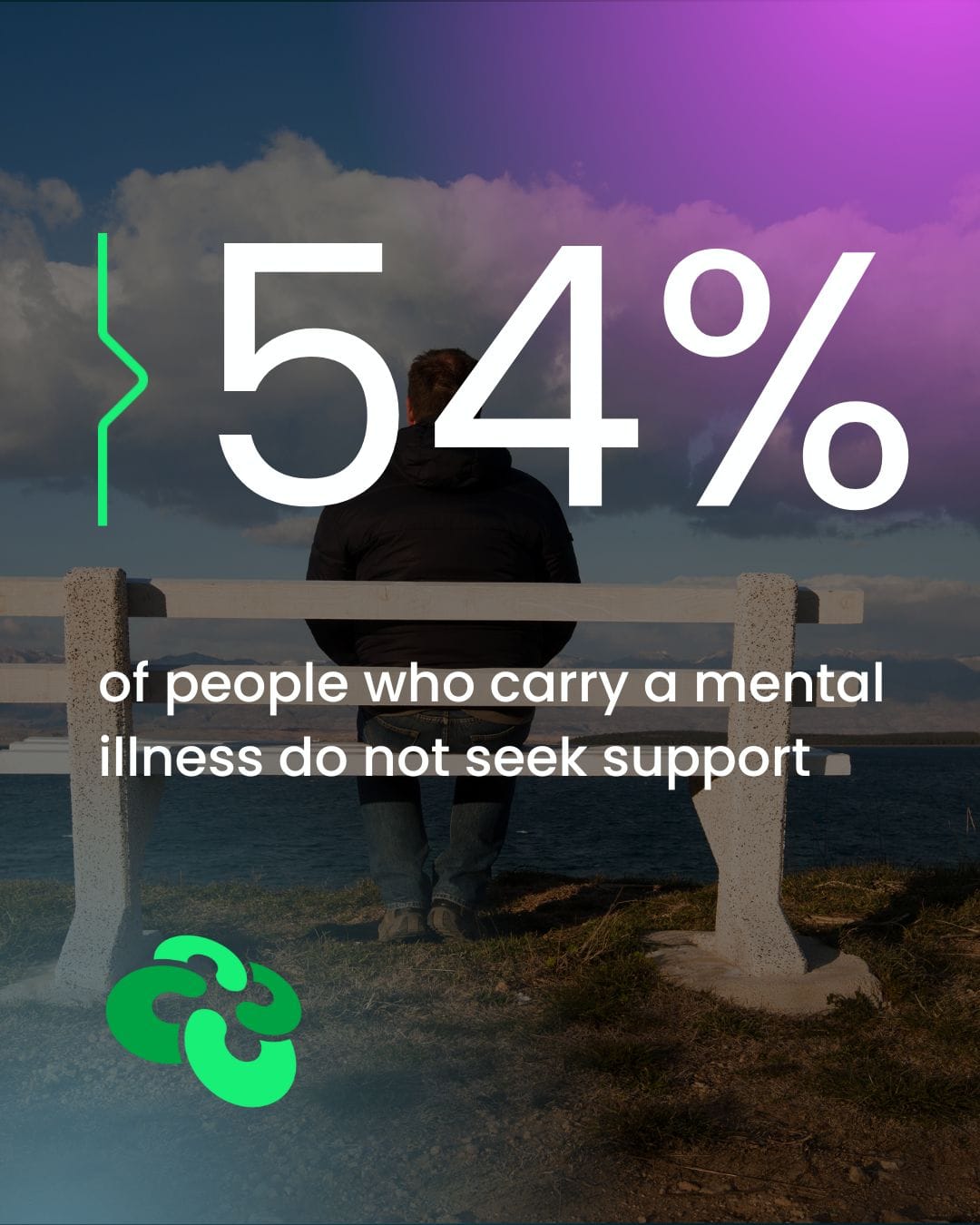
According to the Black Dog Institute, 54% of people who carry a mental illness do not seek support. This is especially polarising when one in five Aussies experience mental ill-health each year. That is on top of the statistic that approximately 45% of Australians will experience a mental health disorder in their lifetime. As such, checking in on mental health and having a conversation is essential. Supporting loved ones and spreading mental health awareness and emotional wellbeing support is key. Let’s explore the impact of talking about mental health.
The Impact of Connection on Mental Wellbeing and Resilience
As social beings, many of us yearn for connection. Feeling supported and cared for, according to Better Health, reduces adverse mental health outcomes. This includes anxiety and depression rates. Relationships with others also underpin our self-esteem, increase empathy, and help us build trusted support networks. But the statistics around mental health are concerning:
- 15% of Aussies over 15 report feeling socially isolated
- 17% of Australians have anxiety, with 1 in 7 young people reporting mental ill-health
- Approximately 10% of Australians have depression
- 3249 Australians committed suicide in 2022, with over 7 million Aussies being close to someone who attempted or died by suicide.
With such stark statistics impacting millions, the need for connection and supporting loved ones is more apparent than ever. Social connection promotes a sense of value, belonging and purpose, mitigates stress, boosts confidence, and increases positivity, ITP Australia affirms.
How Small Conversations Can Make a Big Difference for Mental Health
You may not realise the difference a conversation can make. It doesn’t have to be big acts of love; instead, a small conversation can make a world of difference. Take R U OK? Day, for example, their message surrounding checking in on mental health is to ask the question: “Are you okay?” Why? Because being a support system could change a life.
As we mentioned previously, people around you may be struggling beneath the surface. As such, being there for others is crucial and asking the question could put them on a different trajectory towards overcoming their mental health battles. You may also notice changes in behaviour, reluctance to hang out, low mood, or they may tell you that they’re going through something. In any case, supporting loved ones and asking if they’re okay can make a huge difference. It’s one of the most powerful superpowers you have.
How to Ask “Are You Okay?” With Confidence and Care
One issue we often encounter, being an EAP Australia organisation, is that people don’t know how to approach a mental health conversation. Don’t get me wrong; it can feel daunting as we don’t ever want to say the wrong thing. But it might be one of the most important conversations you ever have! So, feel reassured that asking: “Are you okay?” is the right thing to do. You never know, you might save a life. So here is how to ask, “Are you okay?”
- Start by finding a comfortable, private setting, and then, in a non-confrontational or judgmental way, ask: “Are you okay?”
- Detail that you’re concerned about them. Try saying: “I’ve noticed something’s been off lately. Is everything okay?” Or “you haven’t been yourself lately, is something up?”
- Sometimes starting with an observation of a changed behaviour is an easy and non-confrontational approach; for example: “I’ve noticed you’ve stopped coming to the tearoom as often as you normally do. Is everything ok?”
- Allow them the breathing space to open up. They may not have seen this coming, so don’t be shocked if they’re reserved.
- Take the time to listen, be relaxed and nod or express that you’ve heard what they’re saying. Follow up with open-ended questions, such as: “How did that make you feel?” Or “that sucks, have you tried anything to cope better?”
- Continuously and frequently check in. The journey doesn’t stop after one conversation, so being an ongoing support system is crucial.
- They may not feel ready to talk, and that’s okay. Reassure them that you’re always here to chat, and be sure to send a text, reach out to organise a catch-up, or give them a call, because you never know when they’ll be ready to chat.
- Remember – this is about having a conversation and not about becoming their counsellor. It’s important that you be yourself and communicate in your own natural style. It’s also normal not to have all the answers and to sometimes be uncertain about what to ask and say. That’s why staying in your natural style is important. It’s just about the chat and letting them know that you’re there if they need someone to talk to.
Ultimately, follow the ALEC model: ask, listen, encourage action, and check in. Ask the ‘are you okay?’ question, listen to them, offer ways to access support (such as contacting their EAP, such as Converge for free and confidential mental health care), and check in time and time again.
Gentle Ways to Start a Mental Health Conversation With Loved Ones and Colleagues
Timing is everything, so be tactful in how you approach the conversation. You want them to feel comfortable and safe. That way, they might feel more ready to open up. If you’re supporting a friend or family member, give the sideways listening approach a try. Do something you both enjoy, such as fishing or gardening, so it’s less confrontational, and ask the question. Other ways to be more considerate include finding a nice, quiet spot to talk. Then, make sure you have enough time to listen – the last thing you want to do is cut the conversation short.
If you want to support a colleague or you’re a manager trying to support a staff member, this one needs a different approach. Statistically, 42% of Aussie workers suffering from a mental health disorder do not disclose their battles to their manager. Be kind and judgment-free. Reassure them that you’re here to help. Please don’t force them to talk, and ensure you have enough time to chat. Never jump to conclusions and use the techniques we outlined above. Be warm and start by saying you’ve noticed that something is wrong. Don’t push either; if they do open up, formulate a plan to support them (such as directing them to their employee assistance program, supporting them to take the time they need, and setting time aside to check in).
Signs Someone Might Be Struggling with Their Mental Health
Now you know how to approach a mental health conversation; you might ask: “How do I know if they’re struggling?” This can be one of the most challenging aspects of this journey. Nonetheless, you should always check in on loved ones. We’ll keep banging this drum: many who experience mental ill-health may mask their emotions, so always ask the “are you okay?” question. Some issues may be more overt, such as a recent redundancy or a loss of employment. Conversely, other signs could be harder to identify. Here are some signals to watch out for in recognising signs of distress.
- Increased isolation and withdrawal
- Low mood and lack of interest
- Increased stress and anxiety
- Poor emotional regulation and increased fatigue or tiredness
- Behavioural changes such as being quieter than usual
- Partying harder or substance abuse
- Partaking in risky behaviour
- Low productivity and performance
The Do’s and Don’ts of a Mental Health Conversation
Approaching a mental health conversation takes care. So, to recap, here are the do’s and don’ts to help you support someone in a safe, respectful, and compassionate way:
Do…
- Choose the right time and place – Find a quiet, private, and comfortable setting where the person feels safe.
- Listen without judgement – Give them your full attention, validate their feelings, and avoid interrupting.
- Ask open-ended questions – Encourage them to share more by asking “How are you feeling about that?” instead of yes/no questions.
- Show empathy and patience – Sometimes it takes time for someone to open up. Be gentle and patient.
- Encourage professional support – Suggest options like their GP, a counsellor, or accessing an Employee Assistance Program (EAP) if available.
- Follow up – Check in again later to show you care and that your support is ongoing.
Don’t…
- Don’t minimise their feelings – Avoid saying things like “It’s not that bad” or “You’ll be fine.”
- Don’t try to “fix” everything – You don’t need to have all the answers; being present and supportive is enough.
- Don’t make it about you – Keep the focus on their experience rather than comparing it to your own.
- Don’t push if they’re not ready – Respect their boundaries and let them share at their own pace.
- Don’t break their trust – Unless there’s a risk of harm to themselves or others, keep the conversation confidential.
- Don’t forget your own wellbeing – Supporting someone can be emotionally demanding, so make sure you also practise self-care or seek support (including EAP if available).
What to Do If Someone Says “I’m Not Okay”
When you offer your support, you shouldn’t be shocked to hear the words: “I’m not okay”. However, it’s still confronting. You may not know how to respond. Follow our guidelines, but to help you navigate the situation, here’s what to do when someone isn’t okay. Firstly, be empathetic, validate their feelings, and ask how you can help.
Then, explore mental health support options. Here you can encourage professional support without pressure – they need to be ready, so don’t push. Ask them if they’d like to speak with their GP or a counsellor. Tell them that most workplaces offer EAP or mental health support services in Australia and that it’s a free and confidential counselling resource.
Finally, be there after the conversation has ended. Be a person they can turn to and offer ongoing support. This could involve accompanying them to their GP appointment, taking them to a counsellor’s appointment, or simply being there to listen and talk.
If you need guidance, and we’re you workplace wellbeing provider, we can guide you through the process, free of charge and confidentially. Book an appointment today!
How Employee Assistance Programs (EAP) Can Help You and Your Loved Ones
As mental health professionals, we offer expert employee wellbeing support through our employee assistance program Australia and employee wellbeing programs. Through our Employee Counselling, we can provide you with guidance on how to approach the conversation. If you’re worried about an immediate family member, they can access our EAP support for family mental health support services if your employer partners with us. Equally, if you’re a manager who’s concerned about a staff member, our Manager Support service can help you navigate the conversation.
But most importantly, you should encourage your loved one to reach out to their EAP program, regardless of who it is. And, you must also safeguard your own wellbeing, so use our EAP counselling if you need support. These conversations are not easy. But asking “are you okay” and being supportive could change a life!
Don’t partner with Converge? Contact our team today and enquire about how we can support your oganisation!
Frequently Asked Questions About Supporting Mental Health and Asking “Are You Okay?”
How do I support a friend or family member struggling with mental health?
You can support a loved one by starting with a simple check-in. Ask “Are you okay?” in a comfortable setting, listen without judgement, and offer empathy. Encourage professional help if needed, such as counselling or accessing an Employee Assistance Program (EAP).
What should I do if someone says, “I’m not okay”?
If someone tells you they’re not okay, respond with care and validation. Avoid rushing to fix their problems — instead, ask how you can help and suggest professional resources like an EAP or GP. Continue to check in regularly to show ongoing support.
How do I start a mental health conversation at work?
For colleagues or employees, approach conversations with kindness and respect. Find a private setting, avoid judgment, and reassure them of confidentiality. You can also guide them towards workplace wellbeing programs or an EAP for confidential counselling.
What are the signs someone might be struggling with their mental health?
Warning signs include withdrawal, low mood, fatigue, anxiety, changes in behaviour, or risky activities. It’s important not to assume, but to gently ask how they are and offer support.
How can an Employee Assistance Program (EAP) help with mental health?
An EAP provides confidential counselling, wellbeing resources, and manager support to help both employees and families. It’s a free, professional service available through many Australian workplaces to improve mental health and wellbeing.
Why is asking “Are you okay?” so important?
Asking “Are you okay?” can open the door to meaningful conversations. It shows care, reduces stigma, and may encourage someone to seek professional help. Sometimes, that simple question can change or even save a life.